

How to Lose Body Fat Retain Muscle: A Complete Guide
Dr. Adeyinka AdegbosinYou've cut calories, the scale is dropping, and your shirts fit a little looser. But the gym numbers are slipping, your shape looks flatter, and the smart scale is throwing out a new body-fat estimate every week, some of it believable, some of it pure noise. That's the trap dieters hit when they try to lose body fat and retain muscle, they chase weight loss and only realise later they've also stripped away the tissue they were trying to keep.
The better target is recomposition, not shrinkage. That means treating body fat, lean mass, strength, waist size, and training performance as your actual scorecard, then using nutrition, lifting, and measurement together instead of trusting one number on its own. If you're also trying to make sense of cycle-aware health data alongside body composition, a practical resource like personalised nutrition for PCOS can be useful alongside your own tracking.
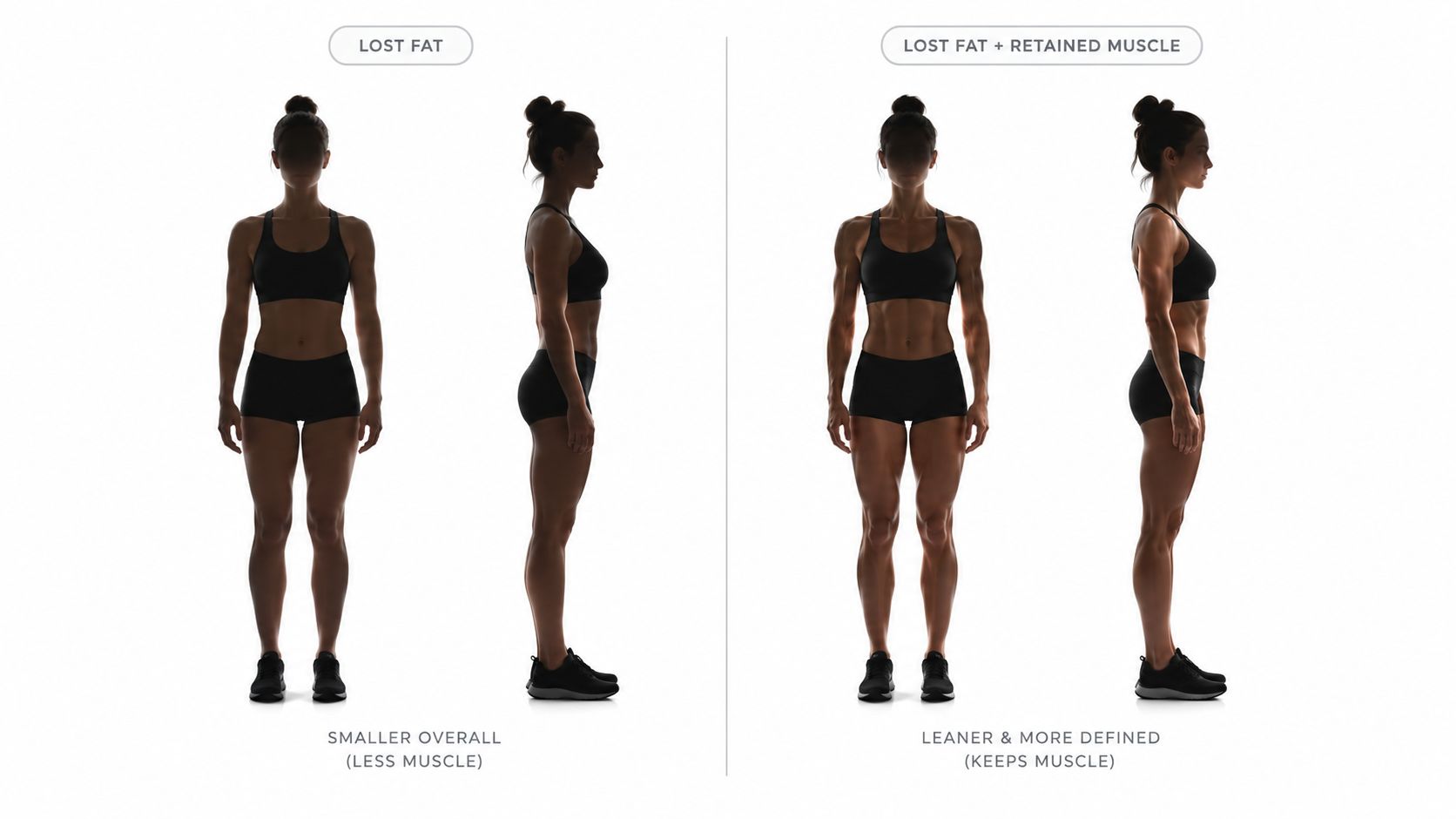
A lot of fat-loss plans fail for a simple reason, they treat all weight loss as success. They don't distinguish between fat, muscle, glycogen, and water, so people keep pushing harder even when the wrong tissues are disappearing.
Why Fat Loss Usually Costs Muscle
The classic story starts the same way. Someone trims food, adds cardio, watches the scale fall, and expects the mirror to catch up. Instead, the body looks smaller but not necessarily better, strength stalls, and the “leaner” look never arrives.
That happens because the body doesn't read your goal. In a calorie deficit, it looks for energy wherever it can find it, and if the signal to keep muscle is weak, some of that tissue gets used too. Aggressive dieting and excessive cardio make that worse, because the body is asked to do more work while getting less fuel to recover.
Why the scale can lie to you
Scale weight is easy to measure, but it's a blunt tool. A fast drop can include glycogen, water, and lean tissue, not just fat, so a happy weigh-in can hide a bad body-composition outcome. That's why a falling number can feel encouraging while your lifts decline.
Practical rule: if your strength is sliding, your waist isn't changing much, and you look flatter, you're probably not seeing clean fat loss.
The hidden issue is that many people respond to that confusion by cutting harder. That adds more stress, not more precision. If your goal is to lose body fat retain muscle, you need a plan that creates a small enough deficit to keep training quality intact, then uses lifting and protein to tell the body what to hold on to.
One useful way to think about it is this, weight loss is an outcome, recomposition is an adaptation. They're not the same thing, and they don't respond to the same inputs.
People often ask what the “right” diet looks like in real life. The answer is rarely more suffering. It's more structure, less guessing, and a plan that still lets you train hard enough to keep your muscle. If your goal involves hormone-related timing as well as body composition, why protein works while cutting is a solid read for the nutrition side of that problem.
The Evidence Behind Preserving Muscle During Fat Loss
The clearest lesson is simple, resistance training changes what you keep during a calorie deficit. In a Griffith University research review of older adults with obesity, resistance training limited lean-mass loss to about 2%, compared with 5% in the aerobic-training group, and muscle strength rose by 19% versus a 4% decline with aerobic training. In the same evidence base, a 160-person trial found that resistance training reduced total hip bone-density loss to less than 1%, compared with 2.6% with aerobic training alone. If the goal is to keep tissue that supports movement, strength, and recovery, loading gives the body a stronger reason to hold on. Griffith University research review
Protein pushes in the same direction. CSIRO-synthesised feeding trials compared higher-protein energy-restricted diets, about 1.07 to 1.60 grams per kilogram per day, with lower-protein diets, about 0.55 to 0.88 grams per kilogram per day, across interventions averaging 12 weeks. The higher-protein diets produced an additional 0.79 kilograms of weight loss, 0.87 kilograms more fat loss, and preserved an additional 0.43 kilograms of lean mass. CSIRO protein report
What that means in practice
These numbers do not mean protein alone builds muscle in a deficit. They show that protein helps keep the muscle you are asking the body to defend, especially when the lifting signal is already there. That is the part many diet plans miss.
| Outcome | Resistance Training | Aerobic Training |
|---|---|---|
| Lean-mass loss during weight loss | About 2% | About 5% |
| Muscle strength change | +19% | -4% |
| Hip bone-density loss in a trial | Less than 1% | 2.6% |
The Australian context matters too. The AIHW reports that 66% of adults were living with overweight or obesity in 2022, and it also identifies muscle-strengthening activity as protective against sarcopenia and loss of muscle mass and strength in older Australians. AIHW summary
A tool like the Venus Smart Basal Thermometer for Ovulation - Bluetooth BBT Tracker with App is built for a different question entirely, and that is the point. Body data only helps when it answers a specific physiological question. In fat loss, the question is whether the body is dropping fat while preserving function.
Setting the Right Nutrition Targets
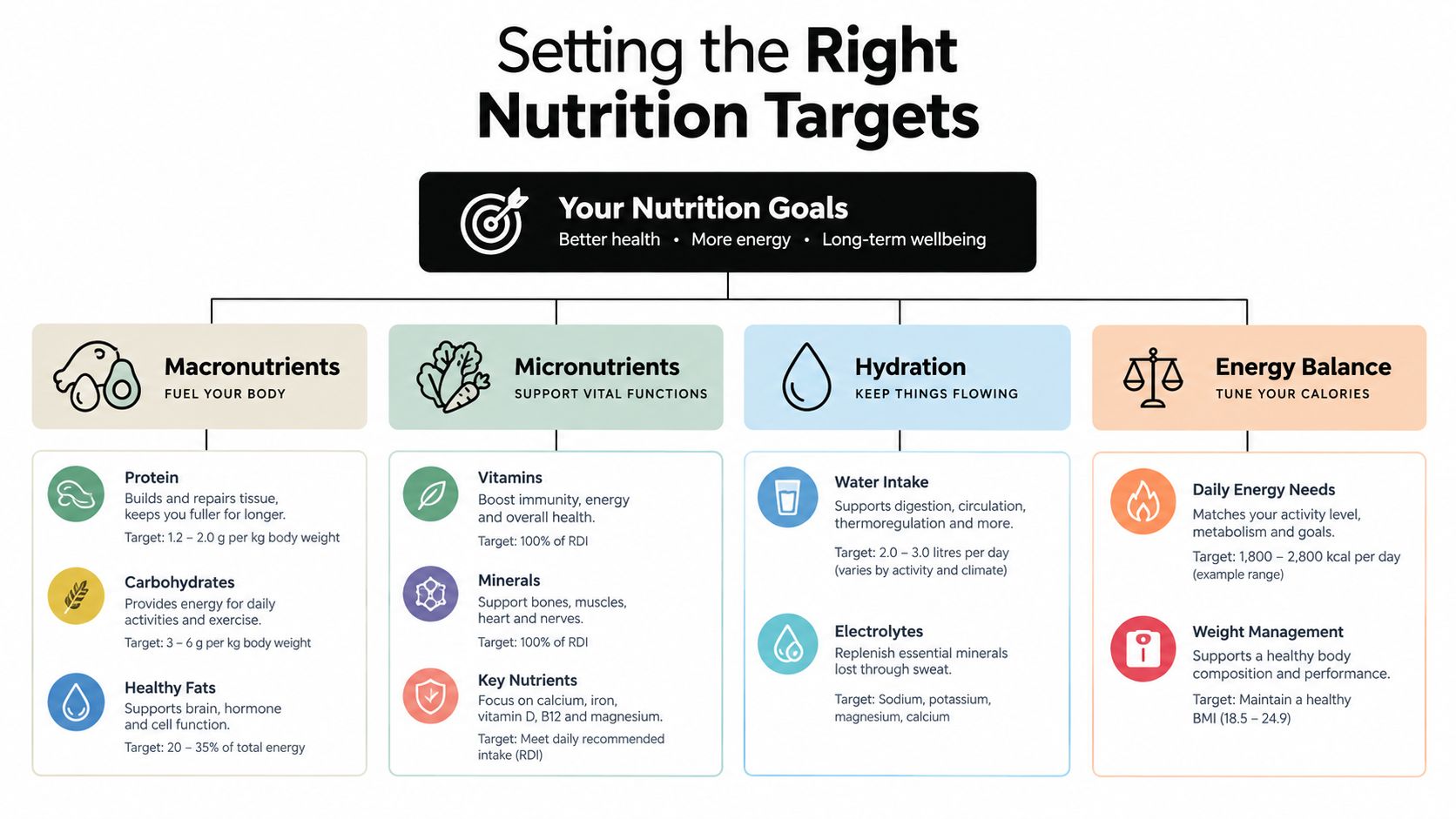
A smart scale can look reassuring while the cut is drifting off track. Weight is falling, but water, glycogen, and lean tissue can move in the wrong direction together if the deficit is too aggressive. The job is to set targets that let fat come off while training still feels workable and the weekly body-composition trend stays believable.
Build the deficit around maintenance first
Track food consistently for two weeks, then estimate maintenance from that pattern rather than from a calculator guess. From there, reduce intake modestly, usually about 10 to 20%, so training quality and recovery stay close to normal. A realistic pace is roughly 0.5 to 1.0% of body weight loss per week, because faster loss often makes it harder to tell fat loss from lean loss.
That matters in practice. If lifts stall, soreness lingers, and your mood drops at the same time, the cut is probably too steep for muscle retention.
Useful checkpoint: if your main lifts cannot hold steady from one week to the next, the deficit likely needs to be smaller.
Keep protein high enough to protect lean mass
Higher protein intake gives the body a stronger reason to hold onto muscle while calories are lower. Spread it across 3 to 5 meals rather than saving it all for one sitting. Make each main meal protein-led, then use a shake or snack when the day gets crowded, which is also where why protein works while cutting becomes practical rather than theoretical.
Australia's nutrient reference values list protein RDIs of 64 grams daily for men aged 19 to 70 and 46 grams for women, with a 25% increase after age 70. Those are general population figures, not a fat-loss target, and older adults often need more help preserving muscle than the baseline numbers suggest. NHMRC nutrient reference values
If you want a more structured way to organise meals, a personalized nutrition plan can keep protein, meal timing, and deficit size aligned without forcing every meal into a rigid template.
The middle ground is where progress usually holds up. Too little food hurts training, too much food slows fat loss, and protein is what keeps those trade-offs from turning into muscle loss. The Venus AI Smart Scale: Body Composition & Body Fat Scale fits that workflow because it tracks body-composition trends, not just daily scale weight. Used properly, it helps you judge whether the weekly direction is actually matching your goal.
A single reading can mislead you. A weekly trend, paired with stable lifting and enough protein, gives a much clearer signal that the cut is removing fat without flattening everything else.
Designing a Muscle-Preserving Resistance Programme
Lifting is the signal that tells the body, keep the muscle. Without that signal, dieting is just a request to get smaller. The programme doesn't need to be fancy, but it does need to be progressive.
Keep the work heavy enough to matter
A good recomposition plan uses challenging loads, not endless burn sets. You want resistance that feels hard enough to preserve strength, because strength is one of the clearest signs that muscle is still being defended. That's why high-rep fatigue circuits are a poor substitute for actual progressive lifting when the goal is to keep lean tissue.
The practical target is 2 to 3 sessions per week, with roughly 6 to 15 hard sets per major muscle group per week. That range gives you enough volume to create a preservation signal without turning recovery into the bottleneck.
Progress without frying recovery
Add load when the current work feels stable, not when you're desperate to suffer more. If a set quality drops sharply, stay there a little longer or reduce volume before chasing another increase. Muscle retention usually responds to consistency, not hero workouts.
Coach's rule: the set that matters most is the one you can repeat next week.
A simple way to keep the programme honest is to watch for drift. If reps fall, bar speed slows, and soreness lingers longer than usual, you're not building a better signal, you're just making recovery harder. That's the moment to trim conditioning, hold the load, or raise calories a little.
For people who want a structured reference point, find the right lifting program is useful when you're comparing training templates, but the decisive test is whether the plan preserves strength while body weight trends down.
The Venus Health Co. training-load monitoring resource is also relevant here because load management is what keeps a deficit from turning into a fatigue spiral. And for users who track reproductive health alongside body composition, the Venus Ovulation Predictor Test Kit is a separate tool that fits cycle tracking, not muscle retention.
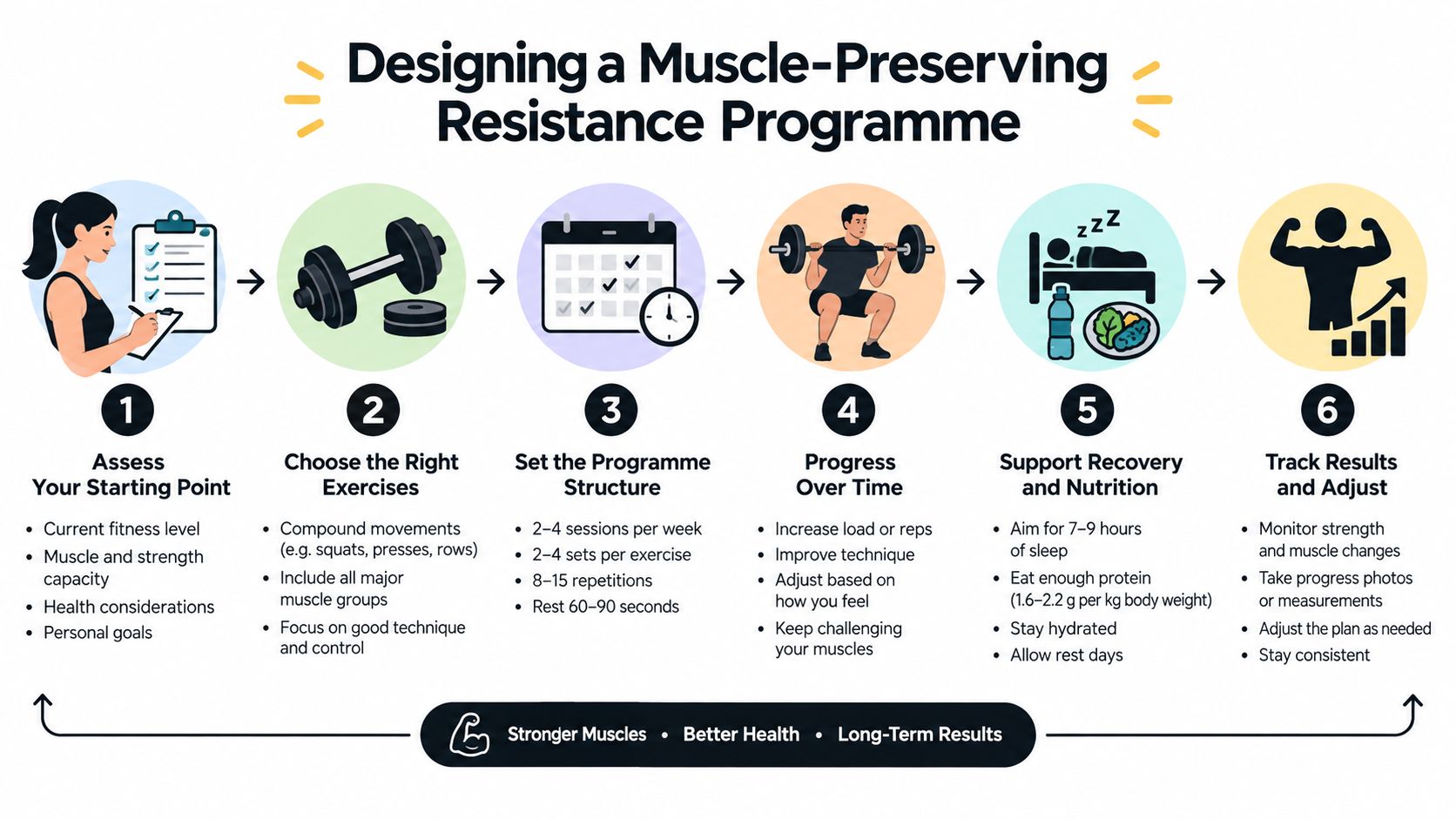
The point isn't to train more for its own sake. It's to create just enough tension, often enough, that the body keeps the muscle because it still needs it.
Using Cardio Without Losing Gains
Cardio helps with energy balance, but it can become the wrong kind of help when it starts stealing recovery from lifting. Walking more, riding more, or adding sessions can all support fat loss. The problem starts when conditioning volume becomes the main driver and strength work turns into an afterthought.
Australian research on healthy older adults from the Greater Brisbane region adds an interesting twist. In a study of 123 people doing supervised 45-minute sessions three times per week for six months, all exercise intensities produced modest fat loss, but only the high-intensity interval-training group maintained lean muscle, while the moderate- and low-intensity groups did not show the same preservation. That doesn't mean everyone should jump into intervals tomorrow, but it does mean casual steady-state work isn't always enough when muscle retention is the priority. University of the Sunshine Coast and University of Queensland study summary
Match the cardio dose to the lifting goal
If your lifting is the priority, cardio should support it, not compete with it. Zone 2 style work can help manage energy use and general fitness, but if legs are always heavy, your sessions are dragged out by fatigue, or every week feels flatter than the last, the conditioning load is too high.
For older adults, that trade-off becomes sharper because recovery capacity is more limited and muscle is more worth protecting. In healthy supervised participants, intensity helped, but the right answer for real-world lifters may be a blend of deliberate cardio and resistance work, not one or the other.
Cardio is a tool. If it steals your barbell performance, you're using too much of it.
The practical readout is simple. Use cardio to help create the deficit, then watch the lifting session to see whether the body can still recover from it. If not, reduce the conditioning dose before you cut more food.
Tracking Progress the Right Way
Most fat-loss efforts go off the rails right here. People look at one smart-scale reading, panic, then change calories, cardio, and training all at once. That makes it almost impossible to know what happened.
Standardise the measurement first
Body weight should be taken at the same time each day, ideally after waking and toileting, then rolled into a 7-day average. Waist circumference should be measured weekly at the same anatomical site, and resistance-training performance should be reviewed every 2 to 4 weeks. Those repeated checks tell you whether the trend is heading in the right direction without overreacting to a noisy day.
The problem with bioelectrical-impedance scales is that they can swing with hydration, food intake, skin temperature, and recent exercise. A 2026 systematic review of 12 studies found individual-level limits of agreement commonly spanning 15 to 20 percentage points for body-fat percentage and more than ±6 kg for fat-free mass, which is a huge spread for a single reading. SCU validity review
Read trends, not snapshots
That means the weekly number matters more than the daily spike, and the trend matters more than the device's confidence. If the waist is shrinking, strength is holding, and body weight is drifting down at a controlled pace, the plan is probably working even if one reading looks odd.
The AIHW also notes that a reduction of 1 kg/m² in BMI, roughly 3 kg for an average-height person, would substantially reduce Australia's population health impact, but the loss needs to stick to matter. AIHW summary
That's where scale interpretation becomes useful again. A device like the Venus AI platform can be helpful when it nudges you to look at trends, but the goal is to connect the scale to the training log, waist measurement, and how your clothes fit. The measure muscle gain page is relevant if you want a clearer sense of what muscle-preserving progress should look like over time.
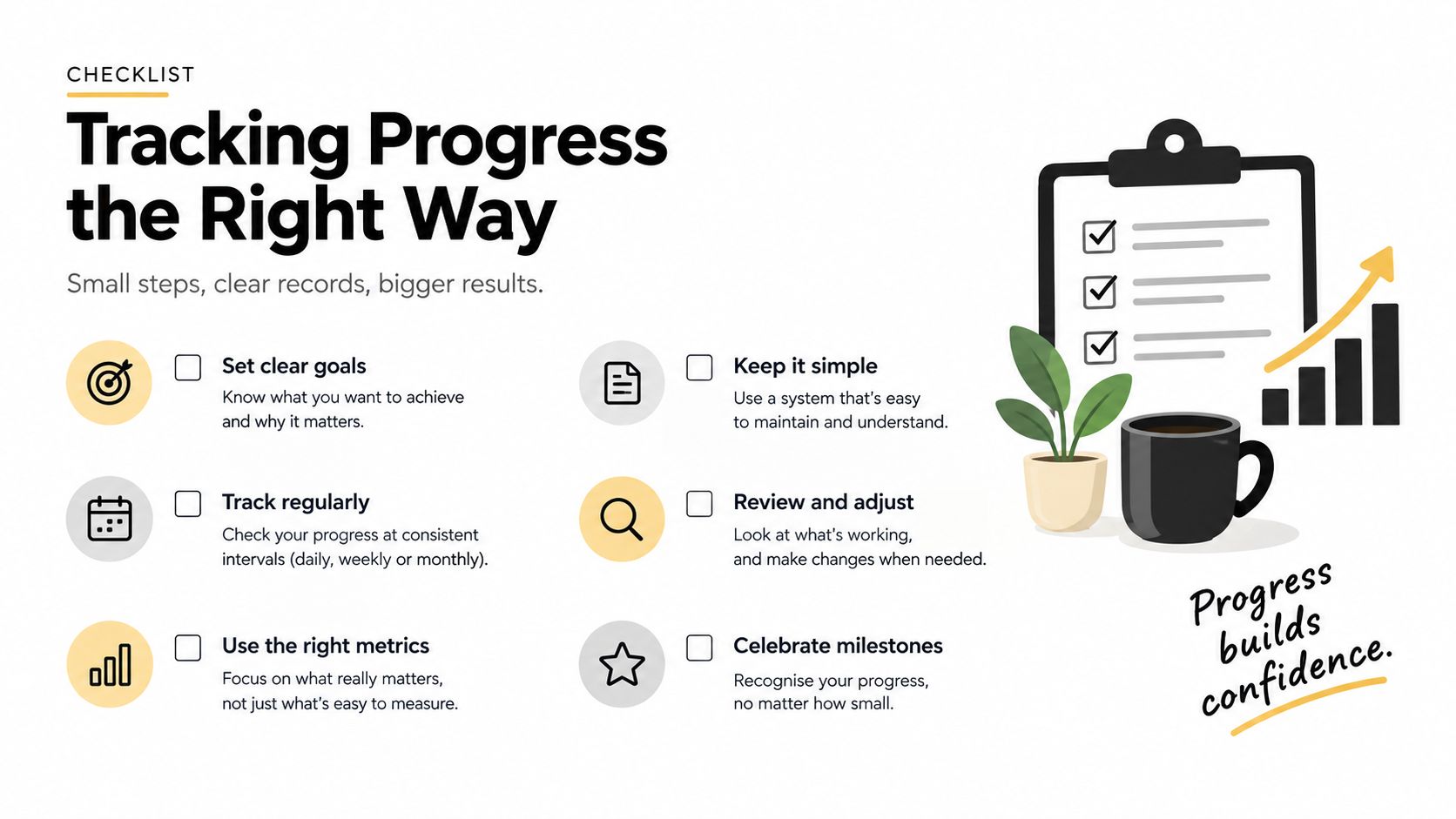
The practical habit is boring, but it works. Weigh consistently, measure the waist consistently, review strength on a schedule, and only then decide whether the deficit needs adjusting.
Putting It Together for Sustainable Recomposition
The cleanest fat-loss results usually look unglamorous week to week. A client keeps protein steady, lifts three times a week, uses just enough cardio to support the deficit, and checks the trend before changing anything. Nothing dramatic happens on one day, but over several weeks the waist comes down, strength stays respectable, and the body looks tighter instead of just lighter.
That's the difference between dieting and recomposition. Dieting asks, “How fast can I drop weight?” Recomposition asks, “What is this weight loss made of?” If the answer is mostly fat, the plan is on track. If the answer includes too much muscle, the plan needs more food, less cardio, or better lifting.
A good weekly review usually comes down to three questions. Is the 7-day average weight still drifting within the target range. Is the waist trending down. Is performance in the gym holding steady. If the answer is yes to all three, keep going. If strength fades and recovery worsens, the first move is usually to ease the deficit, not to punish yourself with more conditioning.
That's also why the smart-scale trap matters so much. One anomalous reading can make a good plan look bad, and one flattering reading can hide the fact that you're losing lean mass. Weekly summaries, standardised weigh-ins, and training logs are a far better way to know whether you're preserving muscle while fat comes off.
For people who like app-connected feedback, Venus Health Co. offers tools that connect body-weight trends, body composition, and weekly summaries in one place. That doesn't replace judgment, but it does make it easier to stop reacting to one noisy number and start reacting to the underlying pattern.
If you want a more disciplined way to track body fat, muscle retention, and weekly trend quality, visit Venus Health Co. and compare the tools against the way you train and eat. The right setup won't just tell you whether the scale moved, it'll help you see whether the change is coming from fat, muscle, or measurement noise.